

Private Label Weight Loss Products: White Label Benefits and Guide
Starting a supplement brand sounds simple until you stare down the barrel of formulation costs, minimum order quantities, and FDA label compliance. Most entrepreneurs realize too late that “white label” and “private label” are not interchangeable terms, and choosing the wrong model can lock you into low margins or inventory you cannot sell. The weight management market is flooded with generic formulas that do nothing for brand loyalty or client results.
Here is the reality: you do not need a lab or a six-figure R&D budget to launch a credible product line. You need a manufacturing partner who understands the difference between a commodity ingredient and a clinical formulation. Having advised wellness clinics and e-commerce brands on supply chain strategy for over a decade, I have seen the private label model add six figures in recurring revenue when executed correctly—and fail completely when compliance is ignored.
This guide breaks down the exact mechanics of launching a weight loss line. We cover the distinction between white and private labeling, the ingredient science that actually drives repeat purchases, and the operational checklist for launching on Amazon Seller Central in 60 days or less.
Key Takeaways
- Private labeling allows for formula customization and brand ownership; white labeling is faster but offers less differentiation.
- Effective weight loss supplements rely on ingredients with clinical backing for thermogenesis, appetite suppression, or lipid metabolism.
- Capsules remain the dominant delivery format, but powders and liquids offer higher perceived value for specific demographics.
- Label compliance is not optional; FDA warning letters can shut down a brand before it ships its first bottle.
- Integrating supplements into a “Three Pillar” business model (Service, Product, Support) maximizes client lifetime value.
- Turnkey manufacturing partners can reduce launch timelines from years to weeks if they handle fulfillment and Seller Central integration.
- Drop shipping eliminates inventory risk but requires strict quality control agreements with your manufacturer.
- Rising obesity rates signal sustained market demand, but consumer skepticism requires radical transparency on sourcing.
Private Label Weight Loss Products
Private label weight loss products are supplements manufactured by a third-party contract manufacturer but sold exclusively under your brand name. Unlike generic wholesale products, private labeling grants you control over the formula, the label design, and the brand narrative. This model differs from generic supplements because you are not competing on price for the exact same SKU as fifty other sellers.
The business model has exploded in popularity among functional medicine clinics, personal trainers, and e-commerce entrepreneurs. The barrier to entry has dropped because manufacturers now offer “stock formulas” that are pre-approved for safety and efficacy. You simply apply your brand, and you are live.
The market opportunity is massive. The global weight management market is projected to grow steadily, driven by rising health awareness and the GLP-1 agonist conversation shifting consumers toward natural alternatives. Selling point: Ready to launch your own private label weight loss line? Contact our team today to explore turnkey solutions tailored to your brand goals.
What Are White Label Weight Loss Programs And How Do They Differ From Private Label?
White label weight loss programs involve a manufacturer producing a single master formula that multiple brands purchase and rebrand as their own. You cannot change the ingredients, the dosages, or the flavor profile. You are essentially renting a product. Private label, by contrast, implies a partnership where you can adjust the formula, create a unique blend, or modify the delivery system.
White label works best for speed. If you need a product live in two weeks, white label is the only path. Private label works best for long-term brand equity. If you want to build a supplement company that sells for a multiple of revenue, you need proprietary formulas.
Here is the thing: most beginners start with white label to test market fit, then graduate to private label once they have cash flow and customer data.
| Feature | White Label | Private Label |
|---|---|---|
| Formula Control | Fixed, cannot change | Customizable, unique blends |
| Time to Market | 1-3 Weeks | 8-12 Weeks |
| Minimum Order Qty | Low (often 24-100 units) | Higher (often 500+ units) |
| Brand Differentiation | Low (same formula as others) | High (exclusive to you) |
What Types Of Private Label Weight Loss Supplements Are Available For Your Brand?
Manufacturers typically categorize weight loss supplements by their primary mechanism of action. Understanding these categories helps you build a product stack rather than a single product.
Fat Burners (Thermogenics)
These formulas aim to increase energy expenditure. They usually combine stimulants like caffeine with agents that mobilize fatty acids.
Appetite Suppressants
These rely on fibers (glucomannan) or plant extracts (garcinia cambogia, caralluma fimbriata) to create satiety signals.
Metabolism Boosters
These focus on thyroid support or mitochondrial efficiency using ingredients like iodine, selenium, or B-vitamin complexes.
Carb Blockers
These utilize white kidney bean extract to inhibit amylase, the enzyme that digests starch.
Stock Formulations vs. Custom Formulations
Stock formulas are “off the shelf.” They are tested, stable, and cheap. Custom formulations allow you to say “clinically dosed” or “proprietary blend.” Custom work requires stability testing, which adds 4-6 weeks to the timeline.
Which Key Ingredients Are Used In Private Label Weight Loss Supplements?
Ingredient transparency is the single biggest trust signal for modern consumers. Proprietary blends that hide dosages are a red flag for educated buyers.
Green Tea Extract (EGCG)
Supports fat oxidation via catechol-O-methyltransferase inhibition. Standardized to 50% EGCG is the industry standard for efficacy.
Caffeine Anhydrous
The most reliable acute thermogenic agent. Doses of 100mg-200mg per serving are standard for metabolic lift without excessive jitters.
CLA (Conjugated Linoleic Acid)
Shown in some studies to reduce body fat mass while preserving lean muscle. Requires high doses (3-4g daily) which means large serving sizes.
L-Carnitine
Shuttles fatty acids into mitochondria for energy production. Works best when paired with exercise.
MCT Oil
Provides rapid ketone energy, popular in keto-focused weight loss lines.
7-KETO DHEA
A metabolite of DHEA that may upregulate thermogenic enzymes without hormonal side effects.
What Supplement Forms Are Available For Private Label Weight Management Products?
Delivery format changes the user experience, the cost of goods (COGS), and the perceived value.
Capsules
Lowest barrier to entry. Easy to ship, stable, tasteless. Standard bottle count is 60 or 90 count.
Powders
Higher perceived value. Allows for higher doses of actives (like fiber or protein). Flavoring systems are critical here—bad taste kills repeat orders.
Liquids/Sprays
Fast absorption claims. High shipping weight (glass bottles) and stability issues (preservatives required). Best for “drops” models like B12 or herbal tinctures.
| Format | COGS Range | Best For | Consumer Perception |
|---|---|---|---|
| Capsules | $3 – $6 | Thermogenics, Daily multis | Convenience, Clinical |
| Powders | $8 – $15 | Meal replacements, Fibers | Premium, Ritualistic |
| Liquids | $10 – $20 | Drops, Sprays | Fast-acting, Novelty |
How Do Label Design And Branding Services Help You Stand Out In The Weight Loss Market?
Your label is your salesperson on the shelf (or the Amazon thumbnail). A cluttered label signals a cluttered formula. Clean, minimalist design with clear “Supplement Facts” panels converts better than “extreme” marketing graphics.
Manufacturers often offer in-house design teams. But that’s not all. You must ensure they know FDA 21 CFR 101 regulations. Structure/Function claims (“Supports healthy metabolism”) are legal. Disease claims (“Cures obesity”) will get your listing suppressed and your facility inspected.
Are You Ready For Seller Central Integration With Your Private Label Weight Loss Brand?
Seller Central integration means your manufacturer can push inventory directly to Amazon FBA centers or handle FBM (Fulfilled by Merchant) orders via API. You need:
- GS1 Barcodes: Do not buy cheap UPC resellers. Amazon requires GS1 prefix ownership for Brand Registry.
- Brand Registry: Trademark status (pending or registered) to unlock A+ Content and Brand Analytics.
- Category Ungating: Dietary supplements often require invoices and a Certificate of Analysis (COA) for ungating.
Some manufacturers act as the “Importer of Record” and handle the FBA prep (polybagging, labeling, case packing). This is a massive value add.
How Can Private Label Nutritional Products Maximize Profit Margins In A Weight Loss Business?
Reselling third-party brands nets you 30-40% margins. Private label nets 60-75% margins.
The Math:
- Third Party: Buy bottle for $20, Sell for $40. Gross Profit: $20.
- Private Label: Manufacture bottle for $6, Sell for $40. Gross Profit: $34.
That extra $14 per bottle funds your ads, your staff, and your growth. Recurring revenue is the real key. Weight loss is a chronic condition management game. If your product works, the client buys monthly. Selling point: Explore how partnering with a certified private label manufacturer can significantly increase your revenue per client — request a free consultation to get started.
What Are The Best Strategies For Scaling Your Weight Loss Business With Private Label Products?
Scaling requires a “Product Ladder.”
- Entry Offer: Low ticket ($39) fat burner or fiber drink.
- Core Offer: High ticket ($89) comprehensive metabolic stack.
- Continuity: Subscribe & Save 15% on the Core Offer.
Upsell logic: “Buying the Fat Burner? Add the Sleep Optimizer for recovery.” Sleep is the hidden lever of weight loss.
What Are The Three Pillars Of A Profitable Weight Loss Practice?
A supplement brand alone is a commodity business. A practice is an asset.
Pillar 1: Clinical or Coaching Service
The service diagnoses the problem. The supplement solves the compliance issue.
Pillar 2: Nutritional Products
The product creates the recurring revenue stream. It makes the service “sticky.”
Pillar 3: Ongoing Client Support
Community, tracking apps, or weekly check-ins. This reduces churn.
Integrate the supplement into the protocol. “Take 2 capsules before your morning walk.” Do not just sell the bottle; sell the protocol.
How Can You Get Up And Running With A Turnkey Weight Loss Program In 60 Days Or Less?
Turnkey means the manufacturer handles: Formula selection, Stability testing, Label design, Bottle sourcing, and Fulfillment setup.
Timeline:
- Week 1: Discovery and Formula Selection.
- Week 2-3: Label Design and Compliance Review.
- Week 4-6: Production Run and Encapsulation.
- Week 7-8: QA Testing (Microbial/Heavy Metals) and Shipping to FBA.
What Are The Must-Have Private Label Weight Loss Categories Every Brand Should Consider?
Do not launch with one SKU. Launch with a “System.”
- Daytime Metabolic Support: Caffeine + Thermogenics.
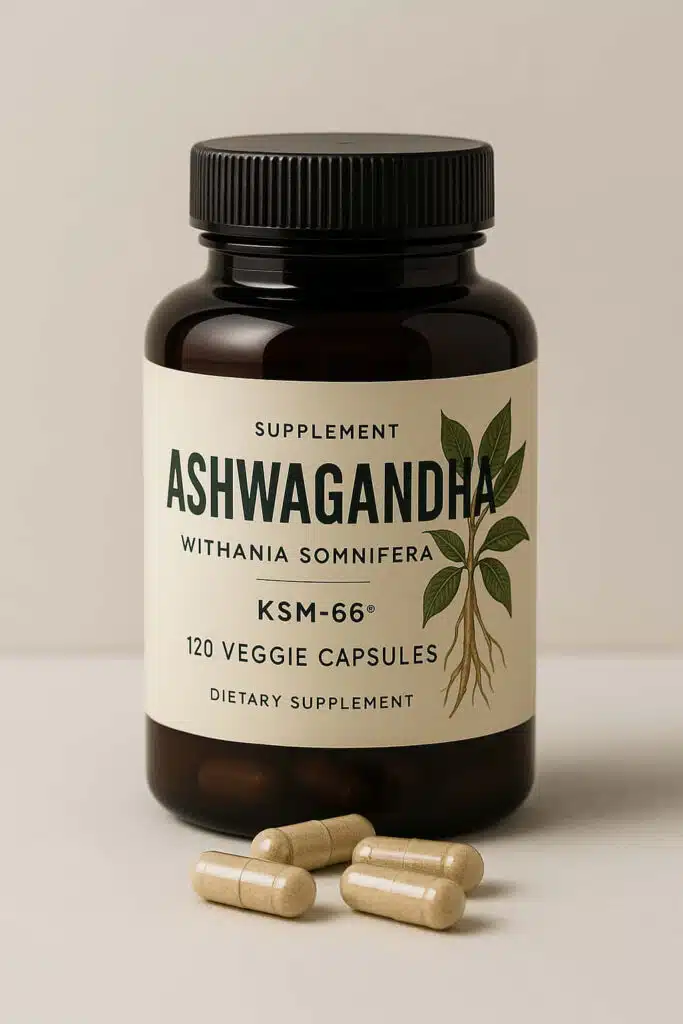
- Nighttime Support: Stimulant-free, cortisol management (Ashwagandha), sleep aid.
- Daily Fiber/Detox: Gut health is weight health.
- Meal Replacement: High protein, low calorie.
This covers the 24-hour cycle of a dieter.
How Does Full-Service Drop Shipping Support Private Label Weight Loss Brands?
Drop shipping means you sell it, they ship it. You never touch inventory.
Pros: Zero inventory risk. Infinite scalability.
Cons: Lower margins (manufacturer takes fulfillment cut). Less control over unboxing experience.
Ensure your manufacturer has blind drop shipping capabilities (packing slips show your brand, not theirs).
What Does The Rising Obesity Rate Mean For The Private Label Weight Loss Market?
The CDC reports obesity prevalence in the US is over 40%. This is not a trend; it is an epidemic. The market is shifting from “vanity weight loss” to “metabolic health.”
Consumers are smarter. They know about GLP-1s. They want natural alternatives or adjunctive support. Brands that lead with education and blood work support will win. Brands that lead with “skinny tea” will die.
Frequently Asked Questions About Private Label Weight Loss Products
How Do Private Label Weight Loss Products Work For New Brands?
New brands partner with a GMP-certified manufacturer to select a stock or custom formula. The manufacturer produces the product with the brand’s label. The brand markets the product while the manufacturer handles production and often fulfillment.
How Do White Label Weight Loss Programs Compare To Private Label Solutions?
White label offers speed and low minimums but zero differentiation. Private label requires higher minimums and lead time but builds a unique brand asset with higher margins and customer loyalty.









Reviews
There are no reviews yet.