
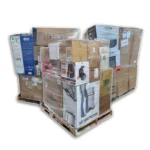
Open Box Pallet Liquidation: Amazon Returns Cost Buying Safe
Every day, millions of products get returned to retailers across the country. Most never make it back to store shelves. Instead, they move through a liquidation pipeline and end up available to buyers like you — sorted into pallets, priced well below retail, and ready for resale or personal use.
This guide breaks down exactly how open box pallet liquidation works, what Amazon return pallets cost, where to find reputable sources near you, and whether pallet flipping is a legitimate side income. Whether you are a first-time buyer or a reseller looking to scale, you will leave with a clear picture of what to expect before you spend a dollar.
Key Takeaways
- Open box pallet liquidation involves buying bulk retail returns, overstock, and lightly used merchandise at steep discounts
- Condition grades (A, B, C) directly affect what you pay and what you receive — understanding them is essential
- Amazon liquidation pallets typically range from a few hundred to several thousand dollars depending on category and condition
- Buying from a physical, reputable liquidation store carries significantly less risk than anonymous online auctions
- Pallet flipping is a viable side hustle, but realistic startup expectations matter more than best-case scenarios
- Missing parts, voided warranties, and inaccurate manifests are the most common buyer complaints
- Reselling liquidation goods is legal, but certain product categories require extra caution on platforms like Amazon
- Always inspect a manifest before purchasing and visit in person when possible
Open Box Pallet Liquidation
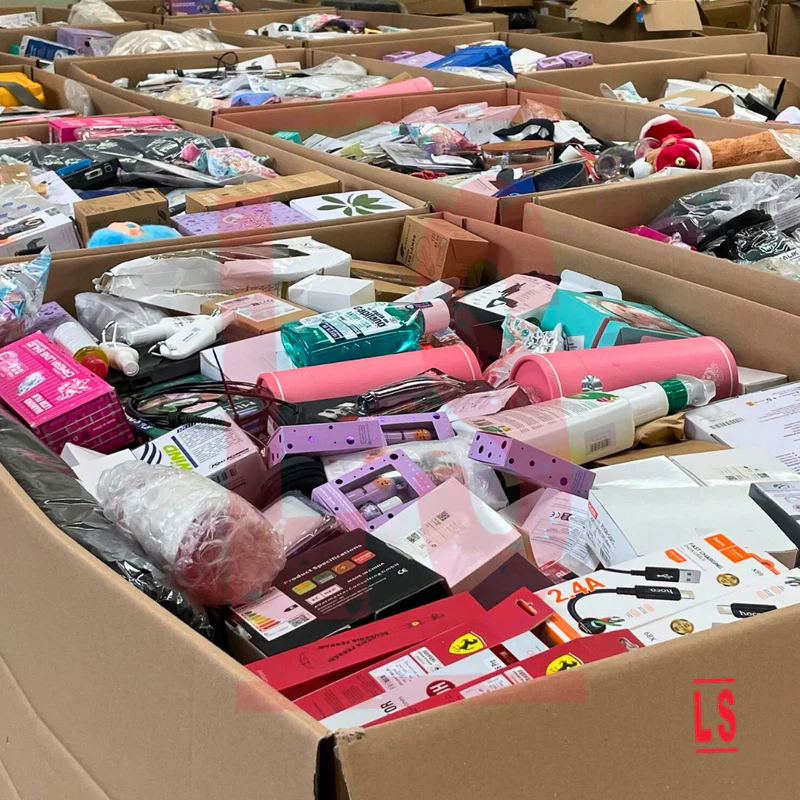
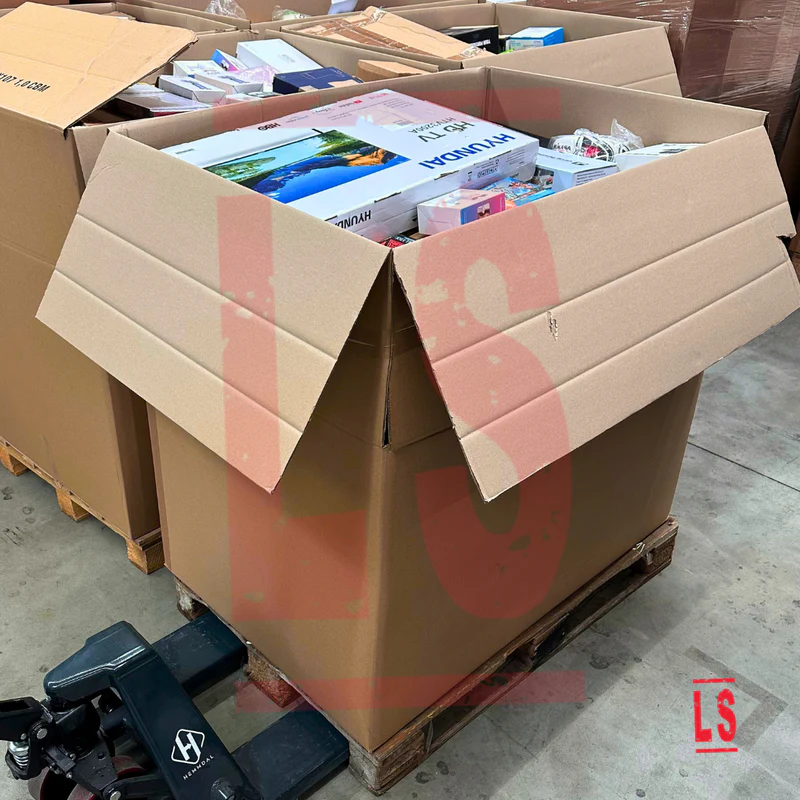
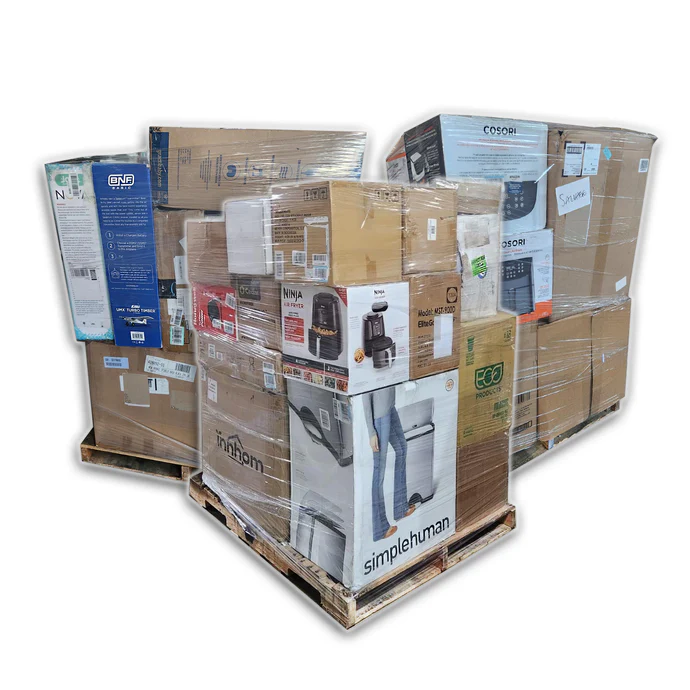
Open box pallet liquidation is the process by which major retailers — including Amazon, Walmart, and big-box home improvement chains — sell returned and overstock merchandise in bulk to secondary market buyers. When a customer returns a product, the retailer assesses it. If it cannot be restocked or sold at full price, it gets routed to a liquidation channel where it is sorted, sometimes tested, and bundled onto pallets for resale.
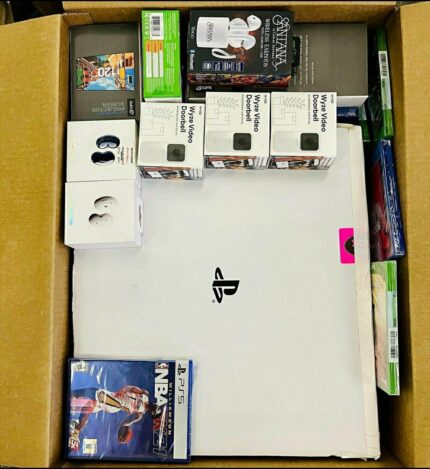
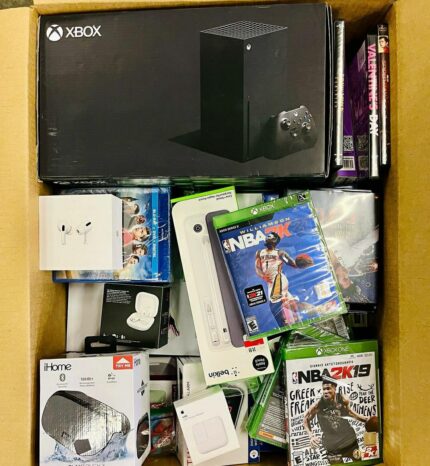
These pallets make their way to liquidation warehouses, where buyers purchase them wholesale. The contents range widely: electronics, kitchen appliances, power tools, furniture, clothing, toys, and general household goods. The unifying factor is that every item came off a retail shelf or out of a customer’s home.
Condition grades are the backbone of the buying decision. Here is what each tier typically means in practice:
| Grade | Condition Description | Realistic Expectation |
|---|---|---|
| Grade A | Like new, minimal signs of use | May include original packaging; highest resale value |
| Grade B | Functional with visible wear or opened box | Usually complete; packaging may be damaged |
| Grade C | Heavily used or damaged | May need repair; parts possibly missing |
| Salvage | Non-functional or for parts only | Lowest price point; parts or scrap value only |
What Are The Disadvantages Of Buying Open Box Items?
The biggest risk is inconsistency. Two pallets from the same category can yield completely different results. A Grade B electronics pallet might include working laptops alongside tablets with cracked screens and no chargers. This is not a defect in the system — it is the nature of return merchandise.
Common drawbacks include:
- Missing parts or accessories: Returned items often come back without cables, manuals, or mounting hardware
- Voided manufacturer warranties: Most open box items lose their original warranty once returned
- Inaccurate or absent manifests: Some pallets come with a list of contents; others do not — and listed items do not always match what is actually in the box
- No return policy at liquidation stores: Unlike buying from a regular retailer, most liquidators sell pallets as-is
Here’s the thing: the disadvantages are manageable if you go in with the right expectations. The buyers who get burned are usually those who overestimate resale value before they have sorted a single item.
Is It Safe To Buy Open Box Items?
Safety in open box buying depends almost entirely on the source. Purchasing from an established physical liquidation store with a track record, real customer reviews, and transparent grading is meaningfully different from bidding on a mystery pallet through an unverified online listing.
Reputable liquidators will:
- Provide manifests or at least category-level descriptions
- Allow in-person inspection before purchase
- Clearly communicate their as-is policy upfront
- Source merchandise from known retail partners, not gray-market channels
When evaluating any seller, ask these questions before committing:
- Where does the merchandise come from?
- Is a manifest available, and how accurate is it?
- Can I inspect the pallet before buying?
- What is your return or dispute process if items are significantly misrepresented?
Browse our current open box pallet inventory and find quality merchandise at prices that make reselling profitable — contact us today to reserve your pallet before it sells out.
Where To Find Open Box Pallet Liquidation Near You
Searching “open box pallet liquidation near me” is a practical starting point, but the quality of results varies. Local liquidation stores offer advantages that online-only platforms cannot replicate: you can see, touch, and assess the merchandise before handing over money.
When evaluating a local store, look for:
- Clear condition grading on displayed pallets
- A consistent supply of fresh inventory (high turnover signals strong retail relationships)
- Staff who can answer sourcing questions honestly
- Positive reviews that mention product condition — not just price
Buying locally also eliminates shipping costs, which can add hundreds of dollars to a pallet purchase and eat directly into your margin.
Open Box Pallet Liquidation On Long Island, New York
The Long Island market, particularly around Hauppauge, NY, has developed into a notable hub for pallet buyers in the Northeast. Buyers in this region typically find a strong mix of electronics, appliances, and general merchandise, including mystery pallets with unspecified contents.
Shopping at a Long Island liquidation store tends to involve a warehouse-style experience — pallets are staged on the floor, priced clearly, and available for inspection. Pricing in this market reflects the higher cost of goods in the Northeast, but the merchandise quality at established locations tends to be well-sorted.
Open Box Pallet Liquidation In Toledo And Northwest Ohio
Toledo and the surrounding Swanton, Ohio area offer buyers access to a steady stream of retail returns from major Midwest distribution centers. Buyers visiting NW Ohio locations should bring a vehicle large enough to transport a pallet, a smartphone for quick resale value checks, and a list of categories they want to prioritize.
The Ohio market is particularly attractive for tools, home goods, and seasonal merchandise, which move well at local flea markets and online resale platforms.
Open Box Pallet Liquidation In Cleveland And The Chicago Market
Cleveland and the nearby Parma, Ohio area offer buyers access to a diverse inventory that frequently includes photo and electronics pallets alongside home improvement returns. Inventory in this market turns over quickly, so visiting regularly and building a relationship with the store staff pays off.
Chicago’s urban liquidation market operates at a different speed. In large city locations, pallets can move within hours of being staged. The volume of available inventory is higher, but so is the competition. Urban buyers benefit from arriving early and having a clear idea of what categories they are targeting.
| Market | Typical Inventory Strength | Buyer Tip |
|---|---|---|
| Cleveland / Parma, OH | Electronics, home goods, tools | Visit mid-week for fresh drops |
| Chicago, IL | High volume, mixed categories | Arrive early; inventory moves fast |
| Long Island / Hauppauge, NY | Electronics, appliances, mystery pallets | Ask about manifest availability |
| Toledo / Swanton, OH | Tools, seasonal, home goods | Bring transport; check flea market demand |
Open Box Pallet Liquidation In Texas, Maryland, And Beyond
In Texas, the Dallas-Fort Worth corridor and San Antonio both support active liquidation markets. DFW benefits from proximity to major distribution infrastructure, which translates into consistent pallet availability across categories. San Antonio buyers tend to find strong general merchandise lots.
In Maryland, Glen Burnie and Landover are established liquidation destinations for the Mid-Atlantic region. Both areas carry a mix of customer returns and overstock from East Coast retail chains.
Oregon and Phoenix round out the geographic picture for buyers in the West. Phoenix’s growing resale economy has expanded the local pallet market, with buyers sourcing inventory for everything from Facebook Marketplace flipping to established thrift operations.
How Much Does An Amazon Liquidation Pallet Cost?
Amazon liquidation pallet prices vary based on product category, condition grade, and whether the pallet is manifested or unmanifested. As a general range, individual pallets from authorized liquidation channels can cost anywhere from $200 to $2,000 or more. High-value electronics pallets naturally sit at the top of that range.
| Pallet Type | Approximate Cost Range | Notes |
|---|---|---|
| General merchandise (unmanifested) | $200 – $500 | Unknown contents; higher risk |
| Mixed retail returns (manifested) | $400 – $900 | Listed contents; moderate risk |
| Electronics / appliances | $800 – $2,000+ | Higher value items; condition varies |
| Full truckload (FTL) | $5,000 – $25,000+ | For volume buyers; significant capital required |
Manifested pallets cost more upfront but give buyers a list of what is inside. Unmanifested pallets are cheaper but function more like a structured gamble. For beginners, starting with a manifested pallet in a familiar product category reduces the likelihood of an expensive surprise.
Where Can You Buy Amazon Return Pallets Directly?
Amazon does not sell return pallets directly to individual consumers. Instead, Amazon routes excess and return inventory through authorized wholesale liquidation platforms, the most notable of which is B-Stock (bstock.com), which operates Amazon’s official liquidation marketplace.
On B-Stock and similar platforms, buyers bid on lots with listed categories, condition grades, and sometimes partial manifests. Certified resellers and physical liquidation stores also source from these channels and sell individual pallets to local buyers — often at prices that reflect their sorting, storage, and handling costs.
When evaluating any listing, look for:
- Category description (electronics, apparel, home goods)
- Condition grade (A, B, C, Salvage)
- Manifest availability
- Lot size and estimated retail value (ERV)
Is Buying Amazon Return Pallets Worth It?
The real question is: worth it compared to what? For buyers who do their homework, purchase within their budget, and sell through proven channels, Amazon return pallets can deliver meaningful returns. For buyers who overestimate resale value or skip the inspection step, they become an expensive lesson.
So what does this look like in practice? A Grade B electronics pallet purchased for $900 with an ERV of $3,500 might realistically yield $1,200 to $1,800 in resale revenue after accounting for non-functional items, missing accessories, and selling fees. That is a workable margin — but it requires time, sorting, testing, and active selling.
Are Amazon return pallets authentic? Yes — merchandise sourced through authorized channels like B-Stock is genuine Amazon inventory. The concern about authenticity applies more to unverified online sellers claiming to offer “Amazon pallets” with no documentation of the supply chain.
Is Pallet Flipping A Profitable Side Hustle?
Pallet flipping — buying wholesale liquidation pallets and reselling individual items — has grown into a legitimate side income for thousands of people across the country. The five core advantages that make it appealing are:
- Low cost per unit: Buying in bulk reduces what you pay per item versus retail
- Product variety: A single pallet can yield items across multiple resale categories
- Volume purchasing power: Consistent buying builds relationships with suppliers and access to better inventory
- Resale flexibility: Items can be sold on eBay, Facebook Marketplace, Amazon, or at local flea markets
- Margin potential: The spread between liquidation price and resale value can be significant in the right categories
Beginners should plan for a startup budget of at least $500 to $1,000 for their first pallet, plus time for sorting, photographing, listing, and shipping. The learning curve is real, but it flattens quickly after the first few purchases.
Ready to start flipping? Visit our open box pallet liquidation store to source inventory at unbeatable wholesale prices — our team can help you find the right pallets to match your resale goals.
What Are The Risks Of Buying Return And Liquidation Pallets?
The most common risk is overestimating how much of the pallet is resellable. New buyers often look at estimated retail value and project that as potential revenue — without accounting for damaged items, unsellable condition goods, platform fees, and time.
Other risks include:
- Receiving items that are non-functional with no repair value
- Incomplete sets that cannot be sold as complete (e.g., a coffee maker without a carafe)
- Underestimating sorting time — a full pallet can take 4 to 8 hours to inventory and photograph
- Buying from a source with no clear return or dispute process
Mitigation strategy: Start with a smaller lot in a category you know. A mixed general merchandise pallet in the $200 to $400 range limits your downside while giving you a realistic picture of what the process involves.
What Is The Amazon Mystery Box And How Does It Work?
Amazon mystery boxes are packages sold by third-party liquidators (not Amazon directly) that contain an unspecified assortment of Amazon returns. Amazon itself does not sell mystery boxes to consumers. What Amazon does operate is an Amazon Warehouse storefront — a section of their site selling individual open-box and used items at discounted prices, which is a separate concept entirely.
Physical liquidation stores sometimes offer mystery pallets, where the contents are not disclosed. These can be entertaining and occasionally lucrative, but they require a high tolerance for unpredictability. The buyer has no manifest and limited recourse if the contents are low-value salvage.
The real question is whether the mystery element adds value or just theater. For serious resellers, a manifested pallet with known categories almost always makes more financial sense than a mystery lot of the same price.
What To Know About Reselling Items Bought From Open Box Pallet Liquidation
Reselling items purchased from liquidation pallets is legal. The first-sale doctrine in U.S. law allows buyers to resell products they legally purchased, regardless of where those products originated. This includes items sourced from Amazon return pallets.
That said, some categories require extra caution:
- Recalled products: It is illegal to resell items subject to an active safety recall
- Gated categories on Amazon: Certain brands and product types require approval to sell on Amazon’s platform
- Hazmat items: Batteries, certain cleaning products, and pressurized containers are restricted on most platforms
- Counterfeit risk: If a product appears counterfeit, do not list it — the legal and platform consequences are significant
In a business context, liquidation refers to the process of converting assets into cash — often as part of a business closing or inventory clearance. The retailer gets paid when they sell inventory to a liquidator. The liquidator gets paid when they sell pallets to buyers like you. Understanding this chain helps resellers recognize that the merchandise is authentic, not stolen or counterfeit, when it comes from verified channels.
Frequently Asked Questions About Open Box Pallet Liquidation
What Is Open Box Pallet Liquidation And How Does It Work?
Open box pallet liquidation is the process of buying returned, overstock, or lightly used retail merchandise in bulk pallet form at below-wholesale prices. Retailers sell this inventory to liquidation companies, which sort and resell it to individual buyers or businesses. Buyers then resell individual items through platforms like eBay, Facebook Marketplace, or Amazon.
How Much Does An Amazon Liquidation Pallet Cost On Average?
Amazon liquidation pallets typically cost between $200 and $2,000 for individual pallets, depending on product category and condition grade. Electronics and appliance pallets sit at the higher end of the range, while mixed general merchandise pallets start lower. Full truckload purchases can reach $5,000 to $25,000 or more for volume buyers.
Reviews
There are no reviews yet.