Pallet Grocery What Is A Grocery Pallet And How Does It Work
Paying full retail for groceries every week hurts your budget. Social media videos show people unboxing Amazon pallets full of snacks for pennies, but most buyers end up with damaged goods or expired food they cannot use. This guide gives you the real process.
Pallet grocery means buying food and household products by the full pallet load instead of by the single box. I have spent three years helping families and small store owners evaluate bulk pallets, and safety always comes first. You will learn what a pallet includes, where to buy, how much it costs, and how to store it safely.
Here is what you will get: clear definitions, a 3-Filter Safety Test, cost realities, and a storage plan that works in a garage or small warehouse.
Key Takeaways
- Pallet grocery is buying bulk food and household goods on a full 48×40 inch pallet for lower per-unit cost
- True grocery pallets differ from Amazon return pallets in consistency and food safety
- Most pallets are sourced from overstock, not damaged returns
- Use the Source-Date-Condition test before you buy any food pallet
- Standard grocery pallets require cool, dry storage and FIFO rotation
- Reselling food has federal and state rules; consult a qualified professional before selling
- Profit from pallet flipping depends on sourcing cost, product condition, and local demand
- Local pallet grocery outlets offer more transparency than mystery online auctions
- Never buy a food pallet without seeing a manifest or item list
- Safe stacking and proper pallet type protect both product and people
Pallet Grocery
Pallet grocery describes the practice of purchasing groceries in wholesale pallet quantities. It differs from traditional shopping because you buy an entire industrial load at once, not individual items from a shelf.
In traditional retail, you pay for packaging, marketing, and store labor. With pallet grocery, you buy surplus inventory directly from distributors, liquidation centers, or dedicated outlets. This cuts the per-unit price dramatically.
Families who meal prep, food pantries, small convenience stores, and online resellers benefit most. You trade variety and convenience for volume and savings.
Here’s the thing: not every pallet labeled grocery is safe to eat. The value comes from knowing the source. A manifest from a grocery distributor is very different from an unlisted Amazon returns box.
What Is A Grocery Pallet And How Does It Work?
A grocery pallet is a full pallet load of shelf-stable food, beverages, or household consumables sold as one unit. Typical products include canned vegetables, pasta, cereal, snacks, bottled water, paper towels, and cleaning supplies.
Pallets are sourced four ways: manufacturer overstock, retail overstocks, seasonal surplus, and closeouts. Most reputable pallet grocery suppliers avoid customer returns for food.
The process is simple. You review a manifest or product list, pay for the pallet, then arrange pickup or freight delivery. Delivery to a home with a liftgate costs extra.
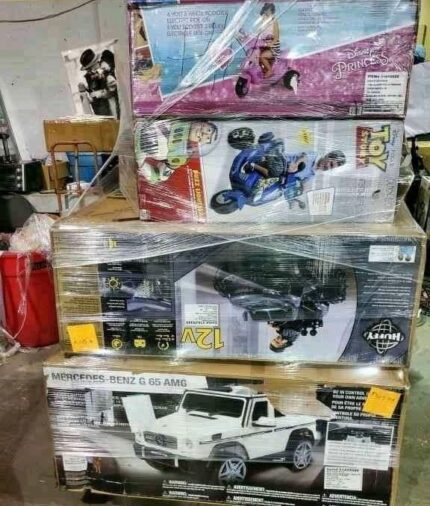
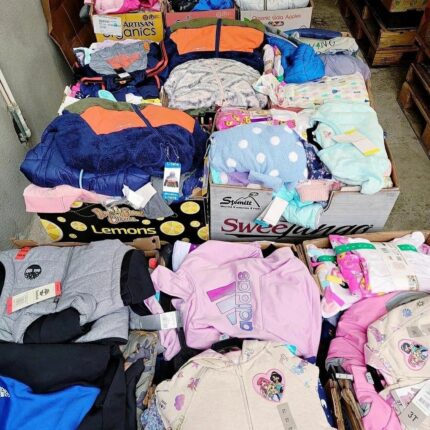
A food pallet contains only edible or food-related items. A mixed merchandise pallet may include toys, electronics, and damaged returns. For safety, keep these categories separate.
What Does “Pallet” Mean For Food Products?
What does pallet mean for food products? It means the goods are stacked and shrink-wrapped on a standard shipping platform for bulk transport.
Food pallets are categorized by product type, condition grade, and temperature requirement. Common grades are A (shelf-ready), B (dented packaging), and salvage (for animal feed or donation only).
A common misconception is that all food pallets are expired. Reputable suppliers sell product with 6 to 18 months of shelf life remaining. Always check dates before you buy.
What Are The Three Types Of Pallets Used In Grocery Distribution?
The three primary pallet types are stringer pallets, block pallets, and solid deck pallets. Each affects how grocery goods are stored and moved.
| Pallet Type | Construction | Best Use In Grocery |
|---|---|---|
| Stringer Pallet | Three boards run lengthwise | Light dry goods, one-way shipping |
| Block Pallet | Nine blocks allow four-way entry | Heavy beverages, warehouse racking |
| Solid Deck Pallet | Full top deck, no gaps | Small items, bags, leak protection |
Most US grocery warehouses use the GMA 48×40 inch block pallet. It handles weight better and works with standard forklifts.
What Size Is A Grocery Pallet And Why Does It Matter?
What size is a grocery pallet and why does it matter? The standard US grocery pallet is 48 inches by 40 inches.
Size matters because it determines volume, weight, and storage space. A full pallet of canned soup holds far more units than a pallet of potato chips.
Most warehouses recommend a maximum stacking height of 60 to 72 inches for safety, but limits vary by product weight. Always follow the supplier’s stacking guide.
So what does this look like in practice? A single pallet can fill the bed of a pickup truck or require a full pallet jack space in your garage. Measure your doorway before you order.
Where To Find A Pallet Grocery Store Near You
Start with local search terms: “pallet grocery warehouse,” “food liquidation,” or “bulk salvage grocery” plus your city. Check Google Maps and Facebook Marketplace for local sellers.
When evaluating a supplier, look for three things: a printed manifest, clear date codes on outer cases, and a clean, temperature-controlled warehouse. Avoid sellers who only show photos of closed wrapped pallets.
Shopping locally lets you inspect before paying. Ordering online offers more variety but adds freight cost and risk.
Selling Point: Browse our full catalog of grocery pallets available for local pickup or nationwide delivery — find the best bulk deals near you and place your order today.
Is Buying Amazon Pallets A Real Way To Save On Groceries?
Is buying Amazon pallets a real way to save on groceries? It depends on your goal. For reselling general merchandise, maybe. For feeding your family, usually no.
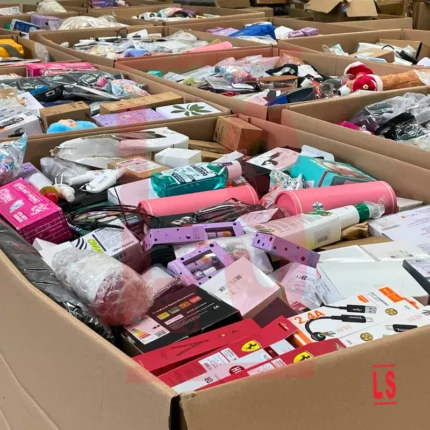
Amazon return and liquidation pallets are sold through auction sites. Contents are often customer returns, shelf-pulls, and damaged goods. Food items are mixed with non-food and condition is unknown.
A dedicated pallet grocery outlet provides product-specific pallets with manifests, consistent categories, and better date transparency. This reduces waste and safety risk.
The real question is: do you want mystery boxes or predictable inventory? For groceries, predictability protects your health and budget.
How Much Does An Amazon Return Pallet Cost?
How much does an Amazon return pallet cost? There is no fixed price.
Liquidation platforms price pallets based on estimated retail value, category, and condition. As of this writing, no official Amazon price list exists. Costs vary daily and by auction.
Factors that raise price include manifested electronics, new condition grades, and lower freight zones. Grocery-heavy pallets typically sell for less than general merchandise but carry higher risk.
What Are The Risks Of Buying Amazon Pallets?
The most common risks are mystery contents, damaged or leaking food, expired date codes, and no returns.
Minimize risk by buying only from verified liquidators who provide manifests. Never buy a food pallet you cannot inspect. Check for pest damage, temperature abuse, and broken seals.
Buyer Beware: If a seller refuses to show date codes or prohibits opening a case for inspection, walk away. Food safety is not negotiable.
Is Pallet Flipping Profitable In Today’s Market?
Is pallet flipping profitable in today’s market? It depends on your sourcing, labor, and sales channels.
Pallet flipping means buying a bulk pallet low and reselling individual items for profit on Facebook Marketplace, flea markets, or small stores.
Profit margins are determined by four factors: purchase price including freight, product condition, how fast you can sell, and local competition. Shelf-stable pantry staples, cleaning supplies, and baby products tend to move fastest.
Practical tips for beginners: start with one manifested grocery pallet, not a mystery Amazon load. Track every cost. Price items at 40 to 60 percent of retail to move inventory quickly.
Why Buy Pallet Grocery In Bulk For Your Home Or Business?
Buying in bulk cuts your per-unit cost, reduces shopping trips, and gives you consistent inventory. For families, it means fewer last-minute store runs.
For small businesses, pallet grocery provides wholesale pricing without distributor minimums. Food banks and churches use pallets to stretch donation dollars.
Bulk buying also lets you standardize products. You learn one set of date codes and storage needs instead of juggling dozens of brands.
What Types Of Products Are Available In Pallet Grocery Categories?
Main categories include pantry staples, beverages, snacks, baby products, paper goods, cleaning supplies, and small kitchen appliances.
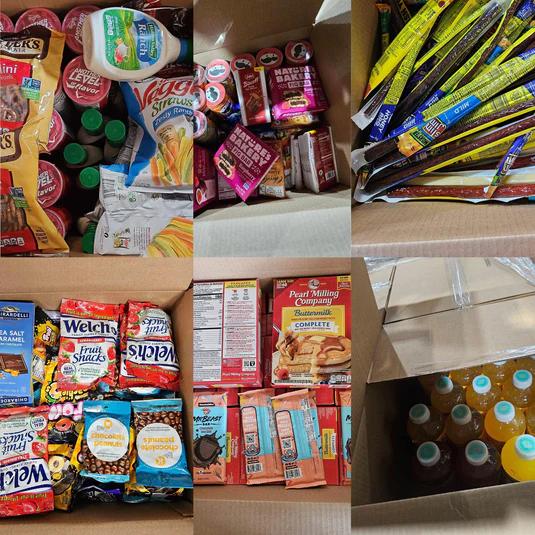
Availability varies by season and supplier. After holidays, you see more candy and baking goods. In summer, more beverages and grilling sauces.
Specialty pallets exist for resellers, such as mixed household essentials or bulk paper goods. Always confirm the manifest matches the category name.
| Factor | Amazon Return Pallets | Dedicated Grocery Outlet Pallets |
|---|---|---|
| Contents | Mystery mixed | Categorized food/household |
| Manifest | Often missing | Usually provided |
| Date Transparency | Low | Higher |
| Best For | General merchandise flipping | Family stock-up, resale |
How To Store Pallet Grocery Purchases Safely At Home Or In A Warehouse
Safe storage starts with temperature control. Keep dry goods in a cool, dry area away from direct sunlight. Follow the manufacturer’s label for specific requirements.
Organize by category and date. Use FIFO (First In, First Out) rotation. Place newer cases behind older ones. This prevents waste.
Separate food from chemicals. Never store cleaning supplies above open food cases.
| Product Category | Ideal Storage | Key Tip | FIFO Method |
|---|---|---|---|
| Canned Goods | Cool dry pantry | Check for dents | Oldest front |
| Dry Pasta/Rice | Sealed bins | Protect from pests | Rotate quarterly |
| Cleaning Supplies | Ventilated shelf | Away from food | Use oldest first |
| Bottled Beverages | Stable temp | Avoid freezing | Check caps |
What Are The Regulations Around Pallet Grocery Sales And Distribution?
Federal and state laws govern the resale of food. The FDA Food Code sets standards for safety, labeling, and adulteration. States add their own requirements for salvage and surplus food sellers.
Reputable suppliers follow good manufacturing practices and maintain temperature logs. You should receive products with intact labels showing ingredients, allergens, and date codes.
If you plan to resell, you may need a business license, sales tax permit, and in some states, a food handler permit. Labeling laws prohibit repackaging without proper licensing.
Consult a qualified professional before reselling any food product. This article is informational only and not legal advice.
How Pallet Grocery Outlets Work And What To Expect
The process has four steps: browse inventory online or in person, review the manifest, pay, then schedule pickup or delivery.
A physical store looks like a warehouse with pallet racks. Staff use forklifts to move pallets to a loading area. You inspect the wrap and date codes before loading.
Expect variety to change weekly. Expect some dented boxes. Do not expect perfect retail packaging. Good outlets are transparent about condition grades.
Set realistic expectations. You are buying surplus, not custom orders. Bring a truck, pallet jack, or arrange freight with liftgate service.
Frequently Asked Questions About Pallet Grocery
How Does Pallet Grocery Help You Save Money On Food?
Pallet grocery helps you save money by cutting out retail markup. You pay wholesale or below-wholesale for full cases.
Because you buy in volume, the per-can or per-box cost drops significantly compared to grocery stores. Savings are highest on shelf-stable pantry items you use regularly.
Is Pallet Flipping Profitable In Today’s Market?
Is pallet flipping profitable in today’s market? It can be, but it is not guaranteed.
Profit depends on buying the right category at the right price and selling quickly locally. Beginners should avoid mystery pallets and track all costs including gas, time, and unsold waste.








Reviews
There are no reviews yet.